
McGregor Hedging Services
Choose McGregor Hedging for expertly crafted, low-maintenance green barriers that add beauty, security, and value to your landscape—trusted by homeowners for reliability and lasting results.
Get a Free QuoteOur McGregor Landscaping & Yard Care Services
When to Schedule Hedging in McGregor, Florida – Seasonal Guide
In McGregor, Florida, the best times to schedule hedging are typically late winter through early spring and again in late summer. This timing takes advantage of the region’s subtropical climate, allowing plants to recover quickly before the intense summer heat or the occasional winter chill. With neighborhoods like Gulf Harbour and areas near the Caloosahatchee River, local landscapes often feature a mix of sun-loving and shade-tolerant species, each with unique trimming needs.
Environmental factors such as high humidity, sandy soils, and the risk of late frosts—especially in shaded pockets near McGregor Boulevard—play a significant role in determining the optimal hedging schedule. Homeowners should also be mindful of drought periods and municipal guidelines, which can affect when and how often hedging is permitted. For more information on local regulations, visit the official town website.
Local Factors to Consider for Hedging in McGregor
- Proximity to water bodies like the Caloosahatchee River, which can influence humidity and plant growth rates
- Tree density and shade coverage in neighborhoods such as Town & River
- Soil type, with sandy and well-draining soils common in the area
- Seasonal precipitation patterns and drought risk
- Municipal restrictions or guidelines on landscape maintenance
- Terrain variations, from flat lawns to sloped properties
Benefits of Hedging in McGregor
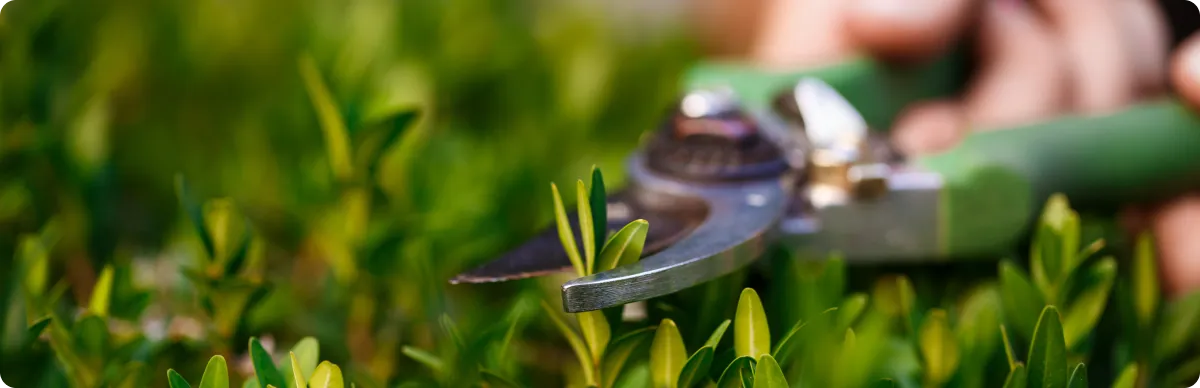
Professional Hedge Shaping
Enhanced Property Curb Appeal
Improved Privacy and Security
Expert Plant Health Management
Seasonal Maintenance Scheduling
Eco-Friendly Landscaping Solutions
McGregor Hedging Types

Boxwood Hedges
-
Privet Hedges
-
Yew Hedges
-
Laurel Hedges
-
Beech Hedges
-
Holly Hedges
-
Hornbeam Hedges
Our Hedging Process
Consultation
Site Preparation
Precision Trimming
Cleanup
Why Choose McGregor Landscape Services
-
McGregor Homeowners Trust Us
-
Expert Lawn Maintenance
-
Reliable Scheduling
-
Competitive Pricing
-
Professional Team
-
Satisfaction Guarantee
-
Personalized Service
Coordinating Hedging Services Through Lee County Departments in McGregor
McGregor is an unincorporated community within Lee County, meaning all land-use oversight, code compliance, and public works coordination falls under county-level departments rather than a municipal government. Residents and property managers planning hedge maintenance along property frontages, sidewalks, or rights-of-way should verify whether proposed work affects county-maintained swales, drainage easements, or sight-visibility triangles at intersections. Lee County's Department of Community Development handles zoning interpretation and can clarify whether hedge placement or height along a property line triggers screening or setback review under the county's Land Development Code. Vegetative debris generated from hedging work must be managed according to county collection guidelines; bundling and curbside placement rules should be confirmed through Lee County's solid waste resources before scheduling large-scale trimming projects.
- Confirm whether hedges border a county right-of-way or drainage easement before cutting
- Verify yard waste bundling and pickup requirements for vegetative debris
- Contact Lee County Zoning if hedge height or placement may affect required screening buffers
- Review Lee County Tree Requirements when hedging involves species that may fall under tree-protection provisions
Lee County Department of Community Development
1500 Monroe Street, Fort Myers, FL 33901
Official Website: Lee County Department of Community Development
Lee County Parks and Recreation
Official Website: Lee County Parks and Recreation
How McGregor's Subtropical Climate and Sandy Soils Shape Hedge Growth
McGregor sits within USDA Hardiness Zone 10a, placing it firmly in a subtropical-to-tropical climate corridor along Florida's Gulf Coast. This classification drives year-round hedge growth for species commonly planted in the area, including Clusia, Green Island Ficus, Podocarpus, Cocoplum, and various Viburnum cultivars. The region's sandy, low-organic soils—typical of coastal Lee County—drain rapidly but retain few nutrients, meaning hedges often depend on supplemental irrigation and carefully timed fertilization to maintain dense foliage. McGregor's wet season, generally spanning June through October, accelerates vegetative growth significantly, requiring more frequent shaping cycles to prevent hedges from becoming leggy or encroaching on walkways and driveways.
- High humidity and rainfall: fungal issues such as leaf spot or sooty mold can develop on dense, unpruned hedges where interior airflow is restricted
- Sandy soils with low water retention: newly shaped hedges may experience stress during dry-season months (November through May) without adequate irrigation
- High water table: root systems in low-lying McGregor lots may sit near saturated soil, influencing species selection and hedge health
- Salt exposure: properties closer to the Caloosahatchee River corridor may experience mild salt drift, favoring salt-tolerant hedge species like Cocoplum or Simpson's Stopper
The USDA Plant Hardiness Zone Map and USDA Web Soil Survey provide site-specific data useful for species and soil evaluation.
Navigating Lee County's Zoning and Environmental Rules for Hedging Projects
Hedge maintenance in McGregor must account for several layers of Lee County regulation. The county's Land Development Code includes provisions for landscape buffers, screening requirements between land uses, and vegetation standards along rights-of-way. Property owners should verify current zoning requirements through Lee County Zoning before removing or significantly altering established hedges that may serve as required screening. When hedging generates large volumes of vegetative debris, disposal must comply with county solid waste rules; clippings, branches, and trimmings should never be deposited into swales, canals, or stormwater conveyances, consistent with the Florida DEP NPDES Stormwater Program framework.
- Hedges functioning as required landscape buffers under the Land Development Code may not be removed without review
- Any chemical treatment applied to hedges—including fungicides or growth regulators—must be performed by individuals holding appropriate credentials under FDACS Pesticide Applicator Licensing
- Sight-visibility triangles at driveways and intersections may impose maximum hedge heights; verify current thresholds with the county
- Debris from hedging must be kept out of storm drains, retention ponds, and canal banks to protect downstream water quality under the Clean Water Act
Lee County Zoning
1500 Monroe Street, Fort Myers, FL 33901
Official Website: Lee County Zoning
Timing and Methods for Professional Hedge Shaping in McGregor's Climate
Professional hedging in McGregor follows a seasonal rhythm dictated by the region's growth patterns and weather. The most intensive shaping cycles occur during the wet season, when subtropical species may require trimming every four to six weeks to maintain form. During the cooler dry season, growth slows and shaping intervals can extend to every six to ten weeks depending on species and exposure. Timing hedging work for early morning hours reduces heat stress on both workers and freshly cut plant tissue, and allows cuts to begin callusing before afternoon thunderstorms introduce moisture to open wounds.
- Shaping technique: use sharp, sanitized blades to produce clean cuts; ragged cuts from dull equipment invite fungal entry in McGregor's humid conditions
- Taper profile: hedges should be shaped slightly wider at the base than at the top to allow sunlight to reach lower foliage, preventing bare-legged growth common in neglected subtropical hedges
- Interior thinning: selectively removing interior deadwood improves airflow and reduces pest harborage without altering the hedge's exterior profile
- Irrigation coordination: hedges trimmed during dry months benefit from a supplemental watering cycle within 24 to 48 hours to reduce transpiration stress; residents should confirm current watering schedules through Lee County Utilities or the South Florida Water Management District
- Post-trim cleanup: all clippings should be collected from sidewalks, swales, and driveways immediately to prevent material from washing into stormwater infrastructure during afternoon rain events
What Neighborhoods Do We Serve Throughout McGregor, FL?
- McGregor Boulevard Corridor — Properties along this historic palm-lined boulevard often feature mature hedges serving as privacy screens and landscape buffers, requiring careful shaping to preserve the corridor's established aesthetic character.
- The Forest Country Club — Large residential lots with extensive hedge borders around pools, patios, and property lines demand frequent maintenance cycles due to rapid subtropical growth and HOA appearance standards.
- Whiskey Creek — This established neighborhood features a mix of older plantings and canal-adjacent lots where hedge debris management and drainage-edge clearance are particularly important.
- Cypress Lake — Properties near retention areas and neighborhood lakes require hedging practices that prevent clippings from entering stormwater systems while maintaining dense screening along shared boundaries.
- Parker Lakes — Planned community lots with uniform setbacks and HOA-regulated landscaping often specify hedge species and maximum heights, requiring coordination with community guidelines before major trimming.
- Iona — Larger parcels in this area may include hedges along agricultural or transitional-use boundaries, where county right-of-way clearance and sight-line compliance are relevant considerations.