
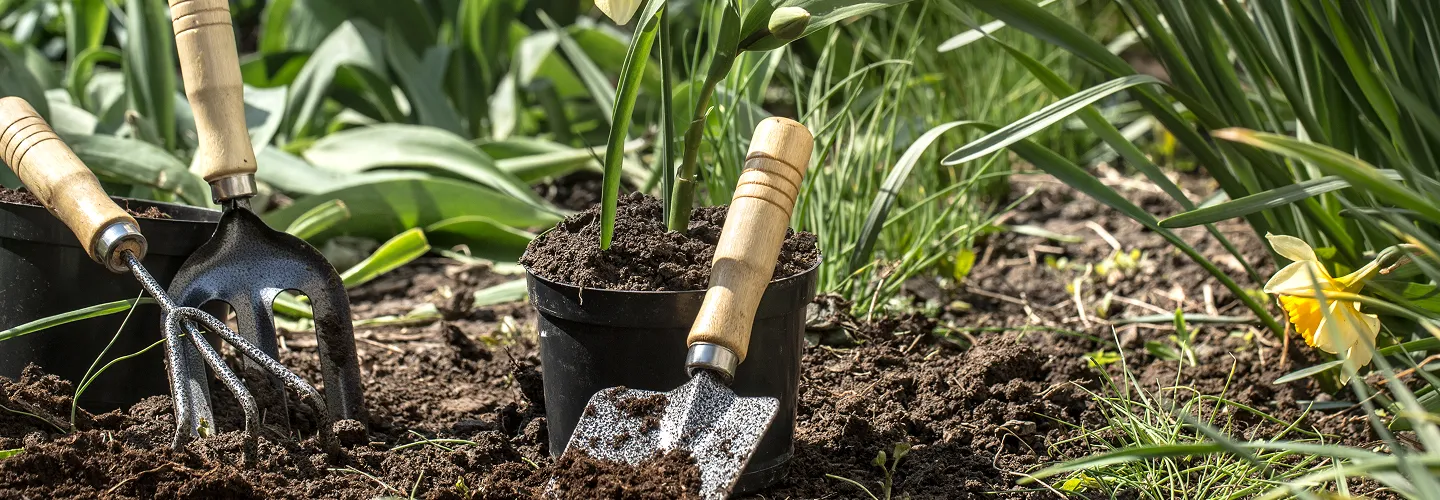
McGregor Green Waste Disposal Services
Choose our Green Waste Disposal for reliable, environmentally responsible service that keeps your property clean and supports a healthier planet. We make it easy to dispose of yard debris while ensuring all waste is recycled or composted whenever possible.
Get a Free QuoteOur McGregor Landscaping & Yard Care Services
When to Schedule Green Waste Disposal in McGregor, Florida – Seasonal Guide
In McGregor, Florida, the timing of green waste disposal is closely tied to our unique subtropical climate and the rhythms of local plant growth. The best periods for scheduling green waste removal are typically late winter through early spring, just after the last frost date, and again in late summer before hurricane season peaks. These windows allow homeowners in neighborhoods like Town & River and along the Caloosahatchee River to clear out storm debris, fallen branches, and seasonal yard trimmings before they accumulate and become a hazard or attract pests.
Local environmental factors play a significant role in determining the optimal disposal schedule. For example, McGregor’s high humidity and frequent summer rains can accelerate plant growth, leading to more frequent yard maintenance needs. Areas with dense shade from mature oaks or palms, such as those near the McGregor Boulevard corridor, may experience slower decomposition of organic debris, making timely removal even more important. Additionally, sandy soils common in the region can impact how quickly green waste breaks down, while municipal guidelines—available through resources like the Town of Sudbury’s website—may dictate specific collection days or volume limits.
Local Factors to Consider for Green Waste Disposal in McGregor
- Tree and shrub density on your property
- Proximity to water bodies and flood-prone zones
- Typical precipitation patterns and hurricane season timing
- Shade coverage from mature landscaping
- Soil type (sandy vs. loamy)
- Neighborhood-specific municipal restrictions or collection schedules
Benefits of Green Waste Disposal in McGregor

Eco-Friendly Landscaping Solutions
Efficient Green Waste Removal
Promotes Healthy Plant Growth
Reduces Landfill Waste
Improves Curb Appeal
Supports Sustainable Practices
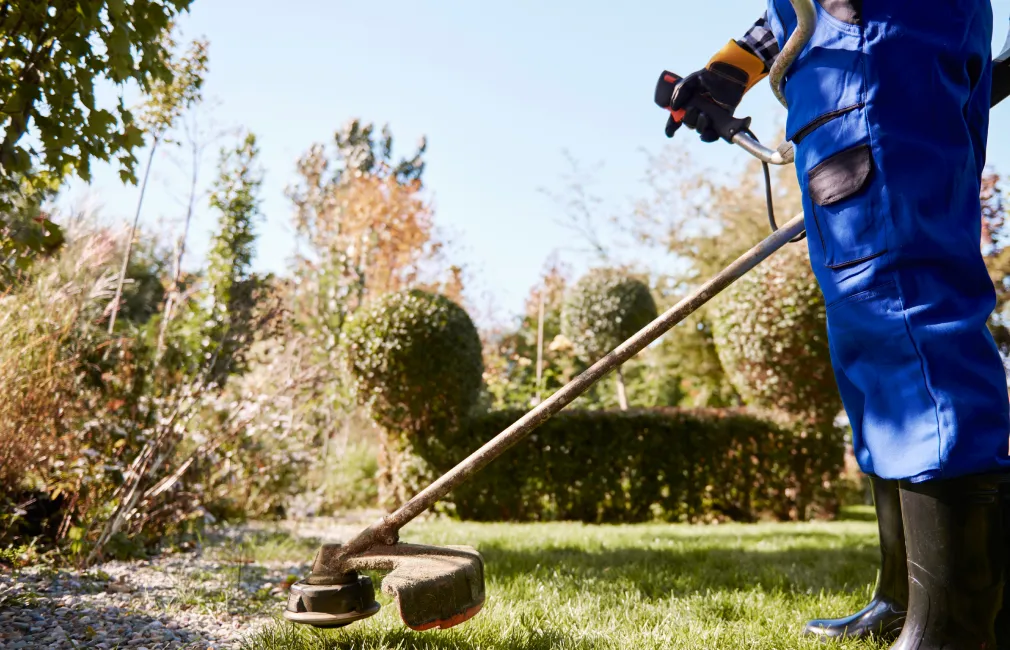
McGregor Green Waste Disposal Types

Grass Clippings
-
Tree Branches
-
Shrub Prunings
-
Leaves and Foliage
-
Garden Weeds
-
Wood Chips
-
Hedge Trimmings
Our Green Waste Disposal Process
Collection of Green Waste
Sorting and Separation
Transport to Disposal Facility
Eco-Friendly Processing
Why Choose McGregor Landscape Services
-
McGregor Homeowners Trust Us
-
Expert Lawn Maintenance
-
Reliable Scheduling
-
Competitive Pricing
-
Professional Team
-
Satisfaction Guarantee
-
Personalized Service
Coordinating Green Waste Disposal Through Lee County Services in McGregor
McGregor is an unincorporated community within Lee County, which means green waste disposal coordination falls under county-level departments rather than a standalone municipal program. Residents and property managers should verify current vegetative debris collection schedules, accepted materials, and container or bundling requirements directly through Lee County's solid waste and public works operations. Green waste in this context includes grass clippings, leaves, palm fronds, tree trimmings, shrub cuttings, and other organic landscape debris generated from routine property maintenance.
- Vegetative debris must typically be separated from household trash and construction materials before placement at the curb or designated collection point
- Bundled branches and palm fronds should be kept to manageable lengths; verify current size and weight limits through the county before placing material for pickup
- Loose clippings and leaves should be contained to prevent them from washing into swales, canal edges, or storm-drain inlets during rain events
- Commercial landscape operators generating green waste on McGregor properties may be subject to different disposal routing than residential curbside collection
Property owners uncertain about collection logistics or drop-off options should contact Lee County directly for current program details.
Lee County Government
2115 Second Street, Fort Myers, FL 33901
Official Website: Lee County Government
How McGregor's Subtropical Climate and Soils Shape Green Waste Volume
McGregor sits within the Gulf Coast Florida climate zone, classified under USDA Hardiness Zone 10a, where year-round warmth drives continuous vegetative growth and correspondingly high volumes of organic debris. Several local environmental factors directly influence the frequency and scale of green waste generation:
- Extended growing season: St. Augustinegrass, tropical shrubs, palms, and ornamental plantings produce clippings, fronds, and leaf litter throughout the year, with peak output during the wet season from roughly June through October
- Sandy, poorly drained soils: Much of McGregor's landscape sits on sandy coastal-plain soils with a high water table, which accelerates shallow root growth and surface-level organic accumulation
- Intense wet-season rainfall: Annual rainfall commonly exceeds 50 inches, with heavy summer storms generating rapid flush growth that increases trimming and pruning debris
- Hurricane and tropical storm debris: Storm events can produce sudden surges of downed branches, palm fronds, and uprooted vegetation requiring prompt disposal to maintain drainage flow and neighborhood access
These conditions mean green waste disposal is not a seasonal task in McGregor but an ongoing operational requirement tied directly to the area's subtropical environment. Organic material left on swale edges or near canal banks can obstruct drainage and contribute nutrient loading into local waterways, a concern addressed under the Florida DEP NPDES Stormwater Program.
Navigating McGregor's Regulatory Framework for Green Waste Disposal Compliance
Green waste disposal in McGregor falls under Lee County's code enforcement and environmental compliance framework. Property owners and landscape service providers should be aware of several regulatory layers that govern how organic debris is handled, stored, and removed.
- Code compliance: Accumulated vegetative debris left on a property beyond collection schedules may trigger code enforcement action through Lee County's neighborhood standards process; overgrown lots and debris piles visible from the right-of-way are common enforcement triggers
- Stormwater protection: Under the Clean Water Act and Florida's Municipal Separate Storm Sewer System (MS4) permit requirements, green waste must not be deposited into or adjacent to stormwater conveyances, including swales, curb inlets, retention ponds, and canal banks
- Tree-related debris: Lee County maintains tree requirements that may affect how and when tree-generated green waste is produced, particularly when removal or heavy pruning triggers a review through the Department of Community Development
- Commercial haulers: Landscape contractors disposing of green waste commercially should verify current disposal site requirements and any load documentation expectations through the county
Lee County Department of Community Development
1500 Monroe Street, Fort Myers, FL 33901
Official Website: Lee County Department of Community Development
Residents near canals or preservation areas should take particular care to prevent organic material from entering waterways, as nutrient runoff from decomposing vegetation contributes to water-quality degradation in the Caloosahatchee River watershed. The UF/IFAS guide to protecting Florida's water resources provides additional context on responsible landscape debris management.
Timing and Methods for Green Waste Disposal in McGregor's Heat and Humidity
Professional standards for green waste handling in McGregor must account for rapid decomposition rates, pest attraction, and stormwater risks that intensify during the warm, humid months. The following practices reflect sound operational guidance for this climate:
- Same-day or next-day removal: Green waste piles left in McGregor's heat and humidity decompose rapidly, attracting mosquitoes, rodents, and fungal growth; prompt removal or containerization reduces these risks
- Pre-storm clearance: Before tropical weather events, clearing accumulated green waste from properties prevents debris from blocking swale flow, clogging storm-drain inlets, or becoming wind-borne hazards
- Separation of materials: Keeping vegetative waste separate from construction debris, soil, sod, and non-organic materials ensures compliance with disposal facility intake requirements and supports composting or mulching diversion
- Wet-season scheduling: During June through October, mowing and trimming cycles accelerate due to rainfall-driven growth; scheduling green waste pickup or hauling in coordination with maintenance cycles prevents accumulation
Lee County Department of Transportation
Official Website: Lee County Department of Transportation
Property managers overseeing multiple McGregor parcels should coordinate disposal logistics to avoid staging large volumes of green waste near roadway swales or drainage infrastructure, particularly during active rain events when EPA stormwater discharge standards apply to pollutant conveyance through municipal systems.
What Neighborhoods Do We Serve Throughout McGregor, FL?
- McGregor Boulevard Corridor — Properties along this historic palm-lined boulevard often feature mature tropical landscaping that generates significant volumes of fronds, leaf litter, and trimming debris year-round
- Colonial Country Club — This established residential community includes irrigated turf and ornamental plantings on moderate-sized lots where regular green waste removal supports neighborhood appearance standards
- Whiskey Creek — Canal-adjacent homes in this subdivision require careful green waste staging to prevent organic debris from entering waterway edges and obstructing drainage flow
- Parker Lakes — Retention pond and lake-front lots in this community demand particular attention to keeping clippings and trimmings away from shoreline buffers and stormwater outfalls
- Cypress Lake — Mature tree canopy and dense landscaping in this area produce consistent volumes of branches, leaves, and palm debris requiring routine disposal coordination
- Iona — Properties in this southern McGregor-area community often sit on sandy soils with high water tables, where organic debris accumulation near swales can impede drainage during wet-season storms