
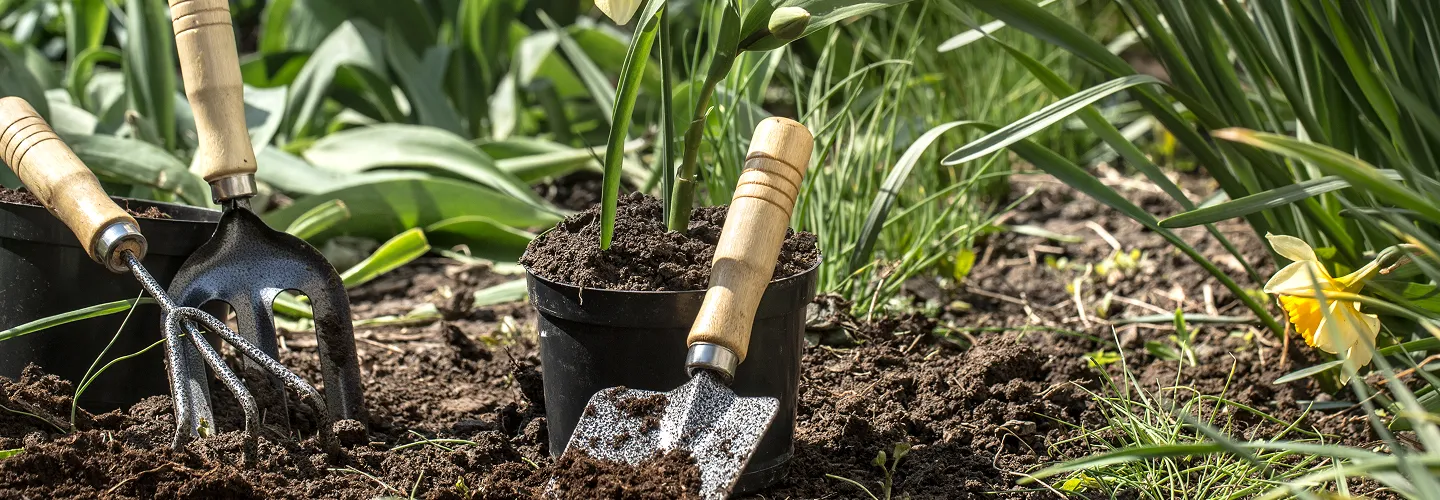
McGregor Fertilizing Lawn Services
Choose our expert fertilizing lawn services for lush, healthy grass that stands out in your neighborhood—our tailored treatments ensure your lawn gets the nutrients it needs for vibrant growth and long-lasting beauty.
Get a Free QuoteOur McGregor Landscaping & Yard Care Services
When to Schedule Fertilizing Lawn in McGregor, Florida – Seasonal Guide
In McGregor, Florida, timing your lawn fertilization is crucial for achieving a lush, healthy yard that thrives in our unique subtropical climate. The best periods for fertilizing are typically late spring and early fall, when soil temperatures are warm and grass is actively growing. Due to McGregor’s proximity to the Caloosahatchee River and neighborhoods like Town & River and Iona, lawns here often experience high humidity, occasional salt spray, and variable shade from mature oaks and palms. These factors, combined with sandy soils common in the area, mean nutrients can leach quickly, making proper scheduling essential.
Local environmental considerations—such as the risk of late winter frosts, summer droughts, and heavy rainfall during hurricane season—directly impact when and how often you should fertilize. For example, applying fertilizer just before the rainy season can lead to runoff, which is why many McGregor residents consult local guidelines to ensure compliance with municipal restrictions and to protect our waterways. Tailoring your fertilization schedule to your property’s specific conditions will help you maintain a vibrant lawn year-round.
Local Factors to Consider for Fertilizing Lawn in McGregor
- Tree density and shade coverage (e.g., lots near Whiskey Creek or shaded by mature palms)
- Soil type and drainage, especially in areas with sandy or compacted soils
- Seasonal precipitation patterns and hurricane risk
- Proximity to waterways and salt exposure
- Municipal fertilizer blackout periods and environmental regulations
- Terrain variations, such as sloped yards or low-lying spots prone to standing water
Benefits of Fertilizing Lawn in McGregor
Enhanced Lawn Health
Improved Grass Color
Weed Reduction
Stronger Root Growth
Increased Disease Resistance
Thicker Turf Coverage
McGregor Fertilizing Lawn Types

Cool-Season Grass Fertilization
-
Warm-Season Grass Fertilization
-
Organic Lawn Fertilization
-
Weed and Feed Treatments
-
Starter Fertilizer Applications
-
Slow-Release Fertilizer Programs
-
Seasonal Fertilizer Scheduling
Our Fertilizing Lawn Process
Soil Analysis
Fertilizer Selection
Application Scheduling
Even Distribution
Post-Application Inspection
Why Choose McGregor Landscape Services
-
McGregor Homeowners Trust Us
-
Expert Lawn Maintenance
-
Reliable Scheduling
-
Competitive Pricing
-
Professional Team
-
Satisfaction Guarantee
-
Personalized Service
Coordinating Lawn Fertilization Services Through Lee County Departments in McGregor
McGregor is an unincorporated community in Lee County, meaning residents coordinate fertilization-related guidance and stormwater compliance through county-level departments rather than a standalone municipal office. Lee County's Department of Community Development oversees land-use and site-related compliance, while the county's utilities division manages water service accounts and irrigation supply information that directly affect fertilizer application scheduling. Before applying fertilizer to any residential or commercial turf in McGregor, property owners and managers should confirm current irrigation restrictions through Lee County Utilities, as fertilizer effectiveness depends on controlled watering immediately after application.
- Verify irrigation account status and any seasonal watering restrictions before scheduling fertilizer treatments
- Coordinate with Lee County's stormwater management resources to understand runoff expectations for your parcel
- Review any community-specific covenants or HOA landscape maintenance standards that may govern fertilizer timing or product selection
- Contact Lee County's Department of Community Development for site-specific questions about drainage, swales, or retention areas adjacent to your property
Lee County Utilities
Official Website: Lee County Utilities
Lee County Department of Community Development
Official Website: Lee County Department of Community Development
How McGregor's Gulf Coast Soils and Climate Shape Lawn Fertilization Needs
McGregor sits within USDA Hardiness Zone 10a along Florida's Gulf Coast, where subtropical heat, high humidity, and a pronounced wet season from June through October define the fertilization calendar. The area's predominant soils are sandy and low in organic matter, which means applied nutrients—particularly nitrogen—leach rapidly through the root zone during heavy summer rainfall. This fast drainage creates a dual challenge: turf may show nutrient deficiency quickly, yet excess fertilizer moves easily into the shallow water table and nearby canal systems.
- Sandy soil leaching: Nitrogen and potassium wash through McGregor's sandy profiles faster than in clay-based soils, requiring slow-release formulations rather than quick-release granules
- High water table: Much of the McGregor corridor sits near sea level with a water table that can rise to within inches of the surface during wet season, increasing the risk of nutrient migration into groundwater
- Humidity and fungal pressure: Over-fertilization—especially with nitrogen—during McGregor's humid summer months can accelerate fungal diseases such as gray leaf spot and large patch in St. Augustinegrass, the dominant turf species in the area
- Salt exposure: Properties closer to the Caloosahatchee River or tidal canals may experience periodic salt influence in irrigation water, which affects nutrient uptake and turf health
Soil testing through the UF/IFAS Extension is the most reliable method for determining actual nutrient deficiencies before applying any fertilizer product.
Navigating McGregor's Fertilizer Regulations and Environmental Compliance Requirements
Lee County has adopted a fertilizer ordinance consistent with Florida Statutes §403.9337, which establishes the model ordinance framework for Florida-Friendly fertilizer use on urban landscapes. Residents and lawn care providers in McGregor should verify the current local ordinance details directly through Lee County, as specific blackout periods, nitrogen application rate caps, and buffer zone requirements near waterways may apply. The Florida DEP NPDES Stormwater Program also governs how fertilizer runoff is managed within the county's municipal separate storm sewer system (MS4) permit area.
- Fertilizer containing nitrogen or phosphorus is generally restricted during the summer rainy season under many Florida-Friendly ordinances; verify the exact blackout window through Lee County
- A fertilizer-free zone is typically required adjacent to any water body, canal, pond, lake, or wetland—confirm the specific buffer distance with the county
- Deflector shields on broadcast spreaders are commonly required when applying fertilizer near impervious surfaces such as sidewalks, driveways, and roadways
- Commercial fertilizer applicators in Florida must hold a Limited Certification for Urban Landscape Commercial Fertilizer Application through the Florida Department of Agriculture and Consumer Services
- Fertilizer must not be applied to impervious surfaces, and any granules that land on driveways, sidewalks, or streets must be swept back onto the turf immediately
Lee County Government
Official Website: Lee County Government
Timing and Methods for Fertilizing Lawns Around McGregor's Wet Season and Heat Cycles
Professional lawn fertilization in McGregor must account for the area's intense growing season, which runs roughly from April through October for warm-season turf species. St. Augustinegrass—the most common turf in McGregor—responds well to slow-release nitrogen applied during active growth, but applications must be timed to avoid heavy rainfall events that would wash nutrients off the lawn and into storm drains or canal systems.
- Spring application window: A soil-test-guided fertilizer application in March or April, before the heaviest rains begin, allows turf to absorb nutrients during early active growth
- Slow-release nitrogen: At least 50 percent of the nitrogen in any application should be in slow-release form, as recommended by UF/IFAS lawn care guidance, to reduce leaching in McGregor's sandy soils
- Iron supplementation: Iron-based products can provide green color without adding excess nitrogen, which is particularly useful during any fertilizer blackout period
- Post-application irrigation: Light irrigation of approximately one-quarter inch within 24 hours of application helps move granules into the soil and reduces the chance of surface runoff; however, fertilizer should not be applied when heavy rain is forecast within 24 hours
- Phosphorus management: Many McGregor soils already contain adequate phosphorus; a soil test should confirm whether phosphorus is needed before applying any product containing it
- Canal and swale buffers: Keep fertilizer spreaders away from canal banks, swale edges, retention pond perimeters, and storm-drain inlets to protect Florida's water resources
What Neighborhoods Do We Serve Throughout McGregor, FL?
- McGregor Boulevard Corridor — Properties along this historic palm-lined boulevard often feature mature St. Augustinegrass lawns with established root systems that benefit from carefully timed, slow-release fertilization programs coordinated with existing irrigation schedules.
- The Forest Country Club — This gated community includes large residential lots with extensive turf areas adjacent to lakes and retention ponds, requiring strict adherence to fertilizer buffer zones and runoff prevention measures.
- Whiskey Creek — Established in the 1970s and 1980s, Whiskey Creek's residential lots feature mature landscaping and canal-adjacent parcels where fertilizer application must account for proximity to waterways and older irrigation infrastructure.
- Colonial Country Club — Golf-course-adjacent homes in this community often share drainage systems with common areas, making coordinated fertilization timing and product selection important for water quality protection.
- Iona — Located near the southern end of the McGregor corridor, Iona's mix of older residential parcels and newer subdivisions presents varied soil conditions, from native sandy profiles to compacted fill soils that affect nutrient retention differently.
- Cypress Lake — This established neighborhood near lakes and canal systems requires careful attention to fertilizer setbacks and stormwater management, particularly during the wet season when water levels rise significantly.