
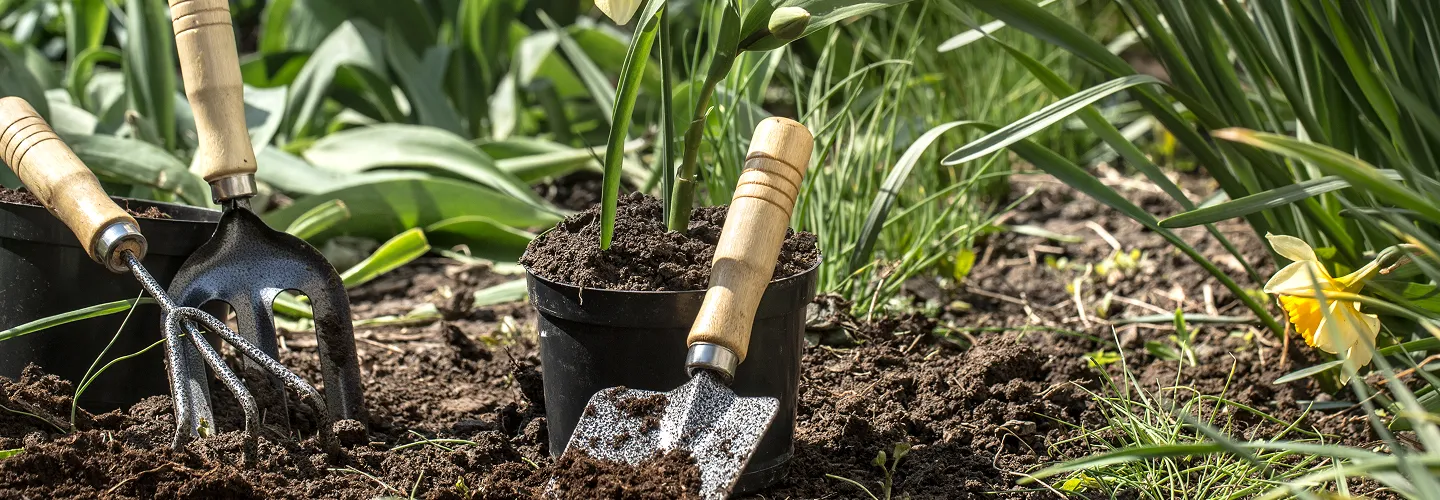
McGregor Lawn Renovation Services
Choose our Lawn Renovation services for expert care, premium materials, and a commitment to transforming tired, patchy grass into a lush, healthy lawn you’ll love year-round.
Get a Free QuoteOur McGregor Landscaping & Yard Care Services
When to Schedule Lawn Renovation in McGregor, Florida – Seasonal Guide
In McGregor, Florida, timing your lawn renovation is crucial for achieving a lush, healthy yard that thrives year-round. The subtropical climate, characterized by warm, humid summers and mild winters, means that the best periods for renovation are typically late spring and early fall. These windows allow new grass and landscaping to establish roots before the intense summer heat or occasional winter chills set in. Neighborhoods near the Caloosahatchee River or shaded by the mature oaks of Whiskey Creek may experience unique microclimates, so it's important to consider your specific location.
Local environmental factors such as the risk of late spring frost, periods of drought, and the sandy, well-draining soils common in McGregor all play a role in determining the optimal renovation schedule. Areas with dense shade, like those near John Yarbrough Linear Park, may require different grass varieties or timing compared to sun-drenched lawns. For more information on local regulations and best practices, consult the official municipal resources.
Local Factors to Consider for Lawn Renovation in McGregor
- Tree density and shade coverage, especially in neighborhoods with mature landscaping
- Soil type and drainage, with sandy soils requiring specific renovation techniques
- Seasonal precipitation patterns and drought risk
- Proximity to water bodies like the Caloosahatchee River, which can affect humidity and microclimate
- Municipal restrictions or guidelines on irrigation and landscaping
- Terrain variations, such as sloped yards or low-lying areas prone to pooling water
Benefits of Lawn Renovation in McGregor

Enhanced Curb Appeal
Improved Lawn Health
Weed and Pest Reduction
Increased Property Value
Customized Landscaping Solutions
Expert Local Knowledge
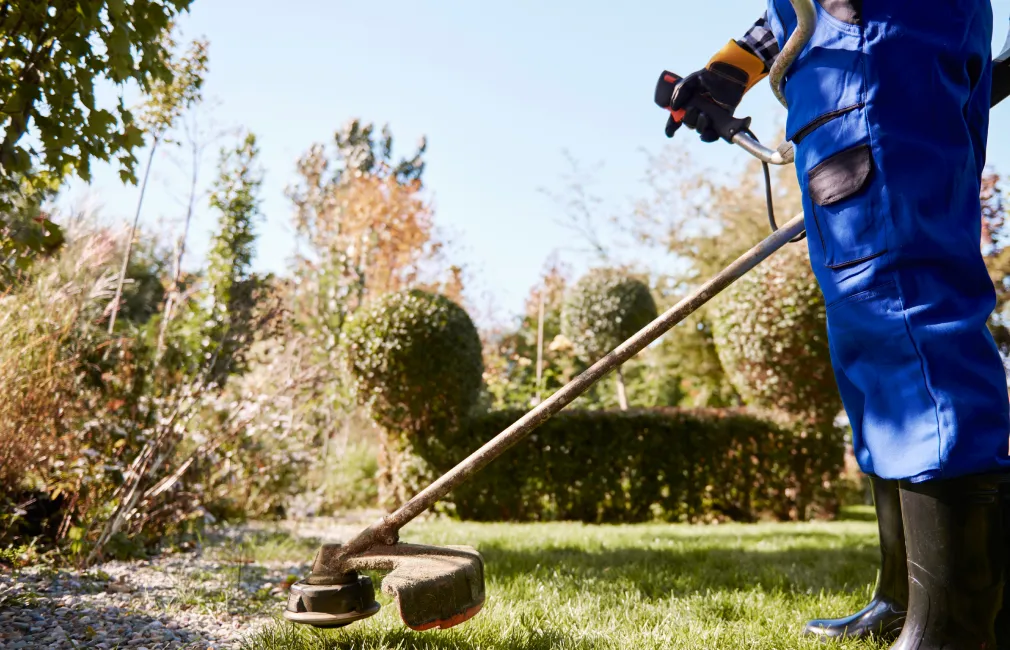
McGregor Lawn Renovation Types

Sod Installation
-
Overseeding Services
-
Soil Aeration
-
Dethatching Solutions
-
Topdressing Lawns
-
Weed and Pest Control
-
Irrigation System Upgrades
Our Lawn Renovation Process
Site Evaluation
Soil Preparation
Seeding or Sod Installation
Watering and Fertilization
Ongoing Maintenance
Why Choose McGregor Landscape Services

-
McGregor Homeowners Trust Us
-
Expert Lawn Maintenance
-
Reliable Scheduling
-
Competitive Pricing
-
Professional Team
-
Satisfaction Guarantee
-
Personalized Service
Coordinating Lawn Renovation Projects Through Lee County Development Services in McGregor
McGregor is an unincorporated community within Lee County, meaning lawn renovation projects fall under county-level oversight rather than a municipal government. Residents and property managers planning significant turf replacement, grading adjustments, or drainage corrections should coordinate with the Lee County Department of Community Development, which handles site work review, land-use compliance, and development permitting. When lawn renovation involves regrading that alters stormwater flow patterns or affects adjacent swales and drainage easements, the county may require review to ensure compliance with local drainage standards.
- Confirm whether proposed grade changes require a site development permit through Lee County
- Verify that renovation work near county-maintained swales or rights-of-way does not obstruct drainage infrastructure
- Review any applicable HOA or deed-restriction requirements before beginning turf conversion or soil amendment work
- Coordinate irrigation system modifications with Lee County Utilities to confirm water service compatibility
Lee County Department of Community Development
1500 Monroe Street, Fort Myers, FL 33901
Official Website: Lee County Department of Community Development
How McGregor's Gulf Coast Soils and Humidity Shape Lawn Renovation Outcomes
McGregor sits within the Gulf Coast Florida climate zone, classified in USDA Hardiness Zone 10a, where subtropical heat, extended humidity, and a pronounced wet season from June through October define the growing environment. These conditions directly influence every phase of lawn renovation, from soil preparation to turf establishment.
- Sandy, low-retention soils: Much of the McGregor corridor features sandy soils with rapid drainage and limited nutrient-holding capacity, requiring organic amendment or targeted soil correction during renovation to support long-term turf health
- High water table: Seasonal water table elevation, particularly during wet-season months, can saturate root zones and complicate grading work; renovation timing must account for groundwater levels to avoid compaction and poor root establishment
- Nutrient leaching: Sandy profiles allow nitrogen and phosphorus to move quickly through the soil column, increasing the risk of nutrient loss into nearby canals and retention systems along the McGregor Boulevard corridor
- Fungal pressure: Persistent summer humidity promotes fungal diseases such as gray leaf spot and large patch in warm-season turf, making post-renovation monitoring and proper irrigation scheduling essential for turf survival
Consulting the USDA Web Soil Survey can help identify the specific soil series present on a given parcel before renovation begins.
Navigating McGregor's Regulatory Framework for Lawn Renovation Compliance
Lawn renovation in McGregor must align with several layers of regulatory oversight. Lee County enforces land development codes that govern grading, drainage, and site disturbance. Any renovation scope that involves significant earthwork, changes to stormwater flow, or work within utility easements may trigger review through the county's development services process. Property owners should verify current requirements with the Lee County Zoning division before beginning work that could affect setbacks, frontage appearance, or drainage infrastructure.
- Pesticide or herbicide applications during renovation must be performed by individuals holding valid certification through the Florida Department of Agriculture and Consumer Services (FDACS), as required under Florida Statutes Chapter 487
- Fertilizer applications associated with lawn renovation should comply with Lee County's fertilizer ordinance, which restricts nitrogen and phosphorus use during the summer rainy season to protect water quality in canals, retention ponds, and the Caloosahatchee River watershed, consistent with the framework established under Florida Statutes §403.9337
- Sediment, soil material, and vegetative debris generated during renovation must not enter stormwater conveyances, swales, or canal banks, in accordance with the Florida DEP NPDES Stormwater Program
Lee County Utilities
Official Website: Lee County Utilities
Timing and Methods for Lawn Renovation in McGregor's Subtropical Climate
Professional lawn renovation in McGregor follows a sequenced approach that accounts for the area's heat intensity, rainfall patterns, and soil limitations. The optimal window for major renovation work—including soil correction, turf removal, and new sod or plug installation—falls between late April and early July, when warm-season grasses such as St. Augustinegrass, zoysiagrass, and bahiagrass enter peak active growth and can establish root systems before the heaviest rains arrive.
- Soil correction: Amending sandy substrates with composted organic material improves moisture retention and nutrient availability; soil testing through the UF/IFAS Extension should precede any amendment plan
- Drainage repair: Regrading low spots, correcting negative slopes toward structures, and restoring swale function are critical steps before new turf is installed, as referenced in UF/IFAS lawn care guidance
- Irrigation audit: Existing irrigation systems should be evaluated for head-to-head coverage, pressure uniformity, and zone separation before renovation; misaligned or broken heads contribute to dry spots and overwatering that undermine new turf
- Turf conversion: Properties transitioning from declining turf varieties to more shade-tolerant or drought-adapted cultivars should select species suited to the specific light exposure and soil conditions of each zone on the property
- Compaction repair: Core aeration, commonly targeting roughly two to three inches of penetration, may be warranted in areas with heavy foot traffic or equipment compaction prior to new turf establishment
Lee County Parks and Recreation
Official Website: Lee County Parks and Recreation
What Neighborhoods Do We Serve Throughout McGregor, FL?
- McGregor Boulevard Corridor — Properties along this historic tree-lined boulevard often feature mature landscaping, established root systems, and older irrigation infrastructure that require careful assessment during lawn renovation planning
- The Forest Country Club — Large residential lots with significant shade canopy from mature oaks and palms present turf renovation challenges related to light competition and root-zone moisture management
- Whiskey Creek — This established neighborhood includes canal-adjacent lots where drainage sensitivity and nutrient runoff into waterways must be factored into any renovation scope
- Colonial Country Club — Subdivision-style lots with HOA oversight frequently require pre-approval for turf type changes and may have specific frontage appearance standards affecting renovation design
- Cypress Lake — Properties near retention ponds and low-lying areas experience seasonal saturation, making soil correction and grade adjustment essential components of effective lawn renovation
- Parker Lakes — Newer subdivision fill soils in this area may exhibit compaction and poor organic content, often requiring amendment and aeration as part of a comprehensive renovation approach